
The Smart Relaxation Revolution: How AI Massage Chairs Are Shaping the Future of Home Wellness
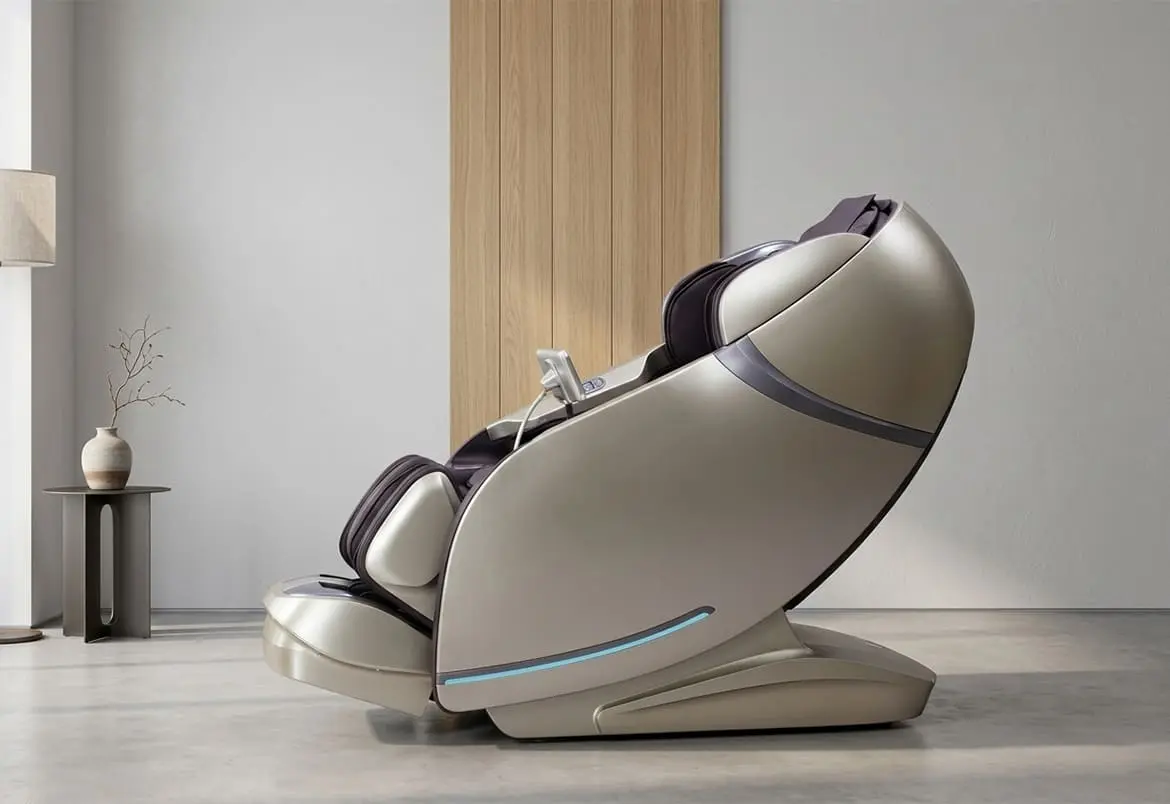
A swift change is being noted in the way people approach relaxation and personal wellness. Wellness in modern homes is no longer an occasional experience reserved for spas or weekend vacations. Rather, wellness technology is becoming an intrinsic part of that daily living of individuals. AI massage chairs are a highly talked-about addition to modern homes, among all innovations.
Intelligent technology, body analysis, and personalized comfort features are combined together in these advanced chairs to create responsive experiences. This is completely different from the experiences offered by traditional massage equipment. Smart homes are constantly evolving, and thus AI-powered wellness products are becoming more integrated into the daily routines of individuals.
These help individuals create moments of relaxation, without any need for leaving their homes. It’s not just about the convenience, rather it’s about the broader movement towards technology, which adapts to individual lifestyles, preferences, and comfort needs as well.
The Rise of Smart Wellness at Home
Home technology today is not just about entertainment systems and kitchen appliances. It has evolved far beyond that! Consumers today are increasingly purchasing products that support rest, balance, and overall lifestyle improvement as well.
Lightings are available today that adjust brightness based on the time of the day. Nighttime habits are tracked by sleep trackers. Indoor conditions are being analyzed automatically by air purifiers. In such an ecosystem, AI Massage Chairs fit automatically. It offers personalized relaxation experiences, which is completely powered by intelligent software.
Several modern lifestyle trends can be directly linked with wellness technology, which is largely growing in popularity:
- Increased focus on work-life balance
- More people working remotely
- Greater interest in stress management
- Rising demand for personalized technology
- The convenience of at-home relaxation solutions
Households are becoming increasingly connected and wellness technology is also moving from optional sophistication to practical lifestyle enhancements.
What Makes AI Massage Chairs Different?
Present programs and fixed movement patterns are employed by traditional massage chairs. This may be effective for basic relaxation; they tend to offer same experiences. There’s no adjustment to the body shape or preferences of users.
A much more adaptive approach is being introduced by AI Massage Chairs. These chairs use advanced sensors and intelligent software to analyze your body positioning, shoulder height, spinal alignment, and even pressure points as well. With this understanding, the overall system responsively adjusts to muscle intensity, speed, and technique, based on the profile of the user.
Some of these chairs also come with the ability to remember previous sessions and recommend appropriate routines, which are tailored to individual habits. Some common intelligent features here can include:
- Body scanning technology
- Personalized massage programs
- Voice control integration
- Smart posture detection
- Adjustable intensity settings
- Heat therapy coordination
- Zero-gravity positioning
- App connectivity and remote operation
With a subtle combination of automation and personalization, a more responsive experience is created, which feels completely tailored to individual needs and not generic at all.
The Role of Artificial Intelligence in Wellness Technology
Across many industries, Artificial Intelligence (AI) is becoming a dominant technology. Home wellness is no exception here. With the help of Machine Learning and intelligent algorithms, AI Massage Chairs create experiences that evolve over time.
One example here is how some systems can recognize frequently selected massage styles and suggest similar routines automatically. They also have the power of creating more balanced massage patterns by analyzing pressure feedback properly.
AI technology is advancing at a rapid rate, and in all probability, future wellness products are set to become even more intuitive. They might even develop the power of potentially adjusting settings based on the following factors:
- Time of day
- User stress patterns
- Sleep habits
- Physical activity levels
- Daily routines
A broader trend towards adaptive living is noted in how AI is being integrated into home wellness. In such environments, technologies respond intelligently to human behavior.
Smart Homes and Wellness Integration
The integration with smart home ecosystems is one highly exciting development in the domain of home wellness technology. Increased compatibility of modern AI massage chairs with mobile applications, voice assistants, and connected home devices has also been noted. As a user, you can more conveniently control settings, while creating a seamless wellness environment as well.
You can now simply come home after a hectic day and activate your preferred relaxation routine with your smart phone or a voice command. The light dims automatically, calming audio begins playing, and the massage chair adjusts itself to your saved preferences. Sounds amazing, right?
How relaxation fits into everyday life is being completely redefined by this high level of automation. Smart home is continuing to develop, and wellness technology is likely to become far more interconnected. This can help in creating personalized experiences, which feel effortless and natural as well.
Personalization Is Becoming the Standard
The expectation of personalization can be noted to be one of the biggest shifts in consumer technology. The preference for products that adapt to the needs of individuals is increasing and companies can no longer force every customer to enjoy the same experience.
This shift is clearly represented by AI Massage Chairs. Different massage intensities, techniques, and focus areas are associated with different individuals. While some enjoy gentle relaxation programs, others prefer stronger deep-pressure settings.
With AI technology you can store and automatically adjust these preferences. Several advantages are created as a result of this personalized approach.
Improved Comfort
Customized settings can help users enjoy a more comfortable and balanced experience.
Greater Convenience
Saved user profiles reduce the need for repeated manual adjustments.
Better User Engagement
People are more likely to use products consistently when they feel personally tailored.
Flexible Household Use
Multiple family members can enjoy individualized experiences within the same chair.
As consumers continue prioritizing personalized experiences, AI-driven wellness products are expected to become even more sophisticated.
Design and Aesthetics Are Evolving Too
Early massage chairs were mainly bulky and visually overwhelming. Today’s AI massage chairs are designed with modern interiors in mind.
Manufacturers are focusing heavily on sleek aesthetics, quality materials, and compact designs that blend naturally into living spaces. Many newer models feature minimalist styling, neutral color palettes, and furniture-inspired construction.
This evolution matters because wellness products are no longer hidden away in separate rooms. They are becoming integrated parts of modern home design.
Consumers increasingly want technology that feels elegant, functional, and visually compatible with their lifestyle.
The Future of Wellness Data and User Experience
As technology advances, wellness devices are becoming more data-driven. While privacy and user control remain important considerations, intelligent wellness products are expected to offer more detailed insights and customization over time.
Future AI massage chairs may include features such as:
- Personalized wellness recommendations
- Adaptive comfort learning
- Session analytics and usage trends
- Smart scheduling reminders
- Enhanced biometric integration
The goal is not simply automation but smarter personalization that evolves with the user’s preferences and routines.
This could transform wellness technology from passive equipment into active lifestyle companions designed to support everyday comfort and relaxation.
Sustainability and Long-Term Living Trends
Another important factor influencing the future of wellness technology is sustainability and long-term living design.
Consumers are becoming more selective about the products they bring into their homes. They often look for durable, multifunctional items that provide long-term value and fit evolving lifestyles.
AI massage chairs align with this trend by combining advanced technology, comfort features, and daily usability into a single product.
As innovation continues, manufacturers are also exploring:
- Energy-efficient systems
- Longer-lasting materials
- Smarter power management
- Compact space-saving designs
These improvements support growing demand for thoughtful, future-ready home products.
The Next Chapter of Home Wellness
The future of home wellness technology is moving toward greater intelligence, personalization, and integration. AI massage chairs represent a major step in that direction by blending comfort-focused design with adaptive technology.
As artificial intelligence becomes more refined, the experiences offered by wellness devices will likely become increasingly responsive and intuitive. Homes may eventually function as fully personalized wellness environments where relaxation technology adapts automatically to daily life.
For consumers, this means more convenient access to comfort-oriented experiences without leaving home. For the wellness industry, it signals a future where technology and lifestyle design continue merging in meaningful ways.
AI massage chairs are not simply another household gadget. They are part of a larger transformation in how people think about relaxation, convenience, and modern living.
And as wellness technology continues evolving, the homes of the future may become the primary destination for personalized comfort and everyday relaxation.