
Avoid These Costly Errors: Common Mistakes People Make When Buying an AI Massage Chair
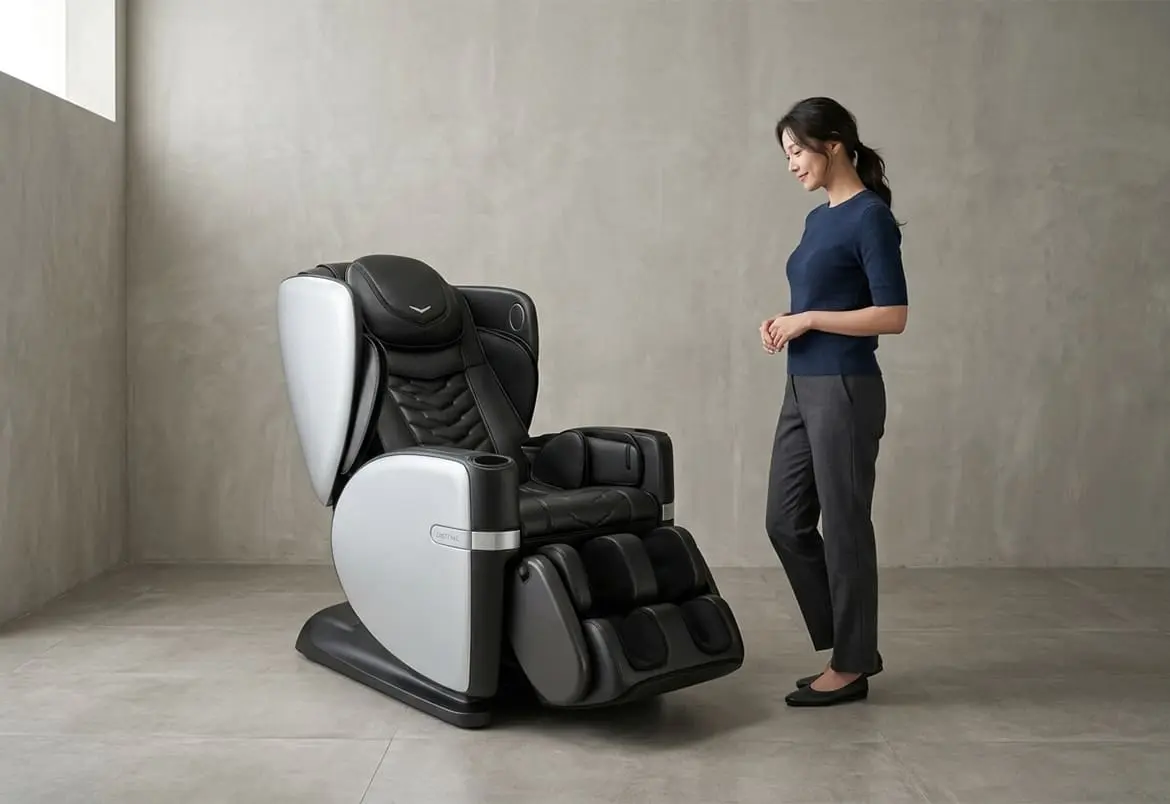
AI massage chairs are increasingly popular in modern homes. They offer unique relaxation experiences through smart technology and personalized features. With body scanning, customizable massage programs, and stylish designs, these chairs are changing how people enjoy comfort and relaxation at home.
However, buying an AI massage chair isn't as simple as picking the first appealing model you see online. Many buyers rush into it, focus on the wrong aspects, or miss important details that could affect their long-term satisfaction.
An AI massage chair is a significant pecuniary choice. Making the wrong choice can result in disappointment and unnecessary costs, or worse, a chair that doesn’t fit your lifestyle. Recognizing the highly common buying mistakes helps consumers make better decisions and select a model that really meets their needs.
Here are some of the biggest mistakes people make when buying an AI massage chair and how to avoid them.
Focusing Only on Price Instead of Overall Value
A frequent mistake buyers make is concentrating solely on price. While budget is an important factor, opting for the inexpensive chair often results in frustration later. Lower-priced models may lack essential comfort features, durable materials, smart functions, or long-term reliability. Conversely, selecting the highly expensive model doesn't automatically ensure satisfaction.
Buyers should examine overall value, including:
- Build quality
- Technology features
- Comfort customization
- Warranty coverage
- Long-term durability
- Ease of operation
- Customer support availability
A balanced purchase typically results in better long-term satisfaction than simply opting for the lowest price.
Ignoring Body Size and Chair Fit
Not all AI massage chairs fit every body type. Some buyers buy chairs without checking the recommended height or weight ranges. This can result in discomfort, where the rollers do not align correctly with the back, shoulders, or legs.
AI massage chairs rely on body detection and positioning systems. If a chair doesn’t fit correctly, even advanced features may not work well.
Before buying, consumers should cautiously check:
- Recommended user height range
- Seat width and depth
- Leg extension length
- Shoulder positioning range
- Maximum weight capacity
A proper fit is essential for achieving a comfortable and personalized massage experience.
Overlooking Available Space at Home
AI massage chairs often need more space than buyers first think. Some models recline deeply or have sliding tracks that extend backward during use. Buyers may buy a chair without measuring their available space, only to realize it doesn’t fit comfortably in their room.
This issue is especially important in apartments, small living rooms, or multifunctional spaces.
Before purchasing, buyers should measure:
- Chair dimensions in upright position
- Space needed for full recline
- Wall clearance recommendations
- Access space for delivery
Many modern chairs feature space-saving designs, but it’s still important to measure cautiously.
Assuming More Features Always Mean Better Performance
Modern AI massage chairs often boast long lists of features, ranging from voice control and Bluetooth speakers to heat therapy and app integration. While advanced functions can increase convenience, having more features doesn’t automatically result in a better experience.
Some buyers get sidetracked by marketing terms and ignore the features they'll actually use regularly. Instead of picking the chair with the longest feature list, consumers should focus on practical functionality and comfort.
Key questions include:
- Is the interface easy to use?
- Are the massage programs customizable?
- Does the chair allow adjustable intensity levels?
- Is the body scanning system accurate?
- Are the daily-use features convenient?
A chair with fewer but well-designed features may offer a better experience than one overloaded with unnecessary extras.
Not Researching the AI Technology Properly
The term “AI-powered” appears frequently in wellness technology marketing, but not all AI systems work the same way. Some chairs use advanced body-mapping systems and adaptive massage programming, while others rely on simpler preset automation with limited personalization.
Buyers may think that every AI massage chair has the same intelligent capabilities. Knowing how the chair’s technology works helps set realistic expectations.
Consumers should consider:
- Body scanning accuracy
- Adaptive massage adjustments
- User memory settings
- Smart program recommendations
- Learning capabilities over time
The quality of the software experience is as important as the physical massage features.
Neglecting Warranty and Customer Support
A massage chair is a long-term pecuniary choice, so support and warranty coverage are crucial. Some buyers focus only on looks or promotional deals while ignoring warranty details. Later, they may face limited-service options or complicated repair processes.
Before buying, buyers should check:
- Warranty length
- Parts coverage
- Labor coverage
- Service response process
- Availability of replacement parts
- Customer support accessibility
Dependable after-sales support can significantly impact long-term ownership satisfaction.
Forgetting About Ease of Use
AI massage chairs may have advanced systems, but complicated controls can cut down enjoyment. Some buyers choose feature-rich chairs only to find the controls are confusing or inconvenient for everyday use. A wellness product should feel calming, not frustrating.
Before making a decision, consider:
- Remote control simplicity
- Touchscreen responsiveness
- Voice command functionality
- Mobile app usability
- Program navigation
An intuitive interface often enhances the overall experience more than extra procedural features.
Choosing Based Only on Appearance
Modern massage chairs are designed to look appealing and fit into contemporary interiors. While style matters, it shouldn’t take priority over comfort and functionality. Some buyers focus on color, design, or refined materials without testing whether the chair is actually comfortable.
A chair that looks great but lacks proper ergonomic support may not provide a satisfying experience over time. The ultimate choice balances both design and functionality.
Not Considering Daily Lifestyle Needs
Different people use massage chairs for various reasons. Some want brief daily relaxation sessions, while others enjoy longer routines in the evenings or on weekends. Buyers who don’t consider their actual usage habits may end up with features they rarely need.
Before buying, consumers should think practically about:
- How often the chair will be used
- Preferred session length
- Whether it will be shared with others
- Desired comfort intensity
- Placement in the home
Matching the chair to real-life habits results in a more satisfying ownership experience.
Ignoring Noise Levels
This detail is frequently overlooked. Some AI massage chairs operate quietly, while others may produce noticeable sounds from the motor or rollers. Buyers who plan to use the chair while reading, watching TV, or relaxing in shared spaces can become annoyed by excessive noise.
Looking at product demos or customer feedback on sound levels can help avoid this issue. Quiet operation is particularly valuable in homes where quiet environments are essential.
Failing to Read Real Customer Reviews
Product descriptions and ads highlight positive features, but actual customer reviews can provide valuable insights. Buyers who skip this research may miss important information about:
- Long-term durability
- Comfort consistency
- Ease of assembly
- Software reliability
- Delivery experiences
- Customer support quality
Balanced review research helps buyers form more realistic expectations before making a purchase.
Buying Without Comparing Multiple Models
Some consumers buy the first AI massage chair they find without checking other options. Since the market now offers many models, technologies, and designs, comparison shopping is vital.
Comparing different chairs allows buyers to assess:
- Comfort features
- Technology differences
- Warranty policies
- Space-saving capabilities
- Design preferences
- User experience quality
Even a little extra research can result in a much better long-term decision.
Overlooking Future Technology Compatibility
As smart home technology advances, compatibility may become more important. Some AI massage chairs connect with mobile apps, voice assistants, and home systems. Buyers who overlook this may later regret choosing a model with limited connectivity.
While advanced integrations aren’t necessary for every household, future flexibility can add long-term convenience.
Final Thoughts
Buying an AI massage chair is a personal decision that blends technology, comfort, lifestyle preferences, and long-term value. Although modern chairs offer impressive innovations, the right choice involves more than just picking the newest or expensive model.
Many typical mistakes occur when buyers rush or focus on surface-level features instead of practical daily usage.
By considering fit, comfort, technology quality, ease of use, available space, and long-term support, consumers can make more confident choices. This results in a better ownership experience.
AI massage chairs are designed to improve home relaxation and modern living. Taking the time to research cautiously ensures that the chair you choose truly aligns with your lifestyle, preferences, and everyday comfort needs for years to come.